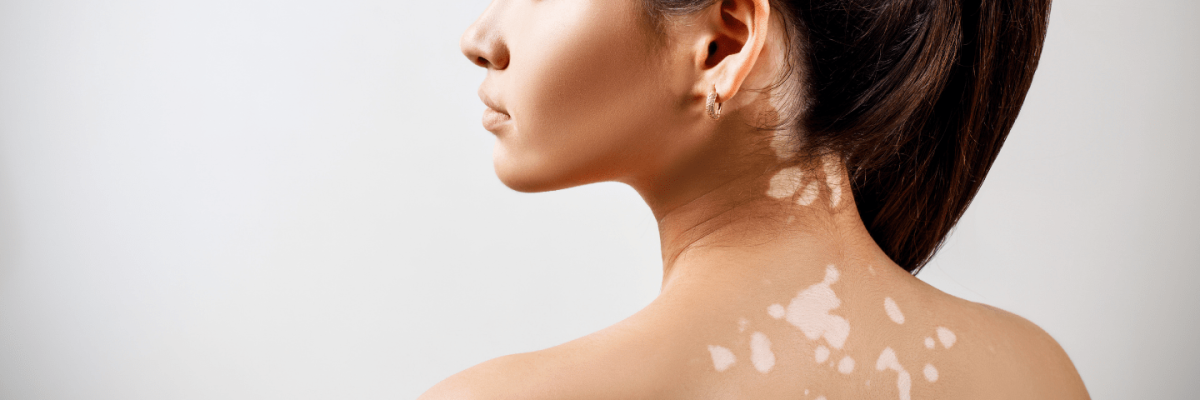
Depigmentation Treatment In Delhi
If you look in the mirror and see patches of skin that are darker than they should be — or lighter, uneven, or dull despite trying everything — you already know how much it affects the way you feel about yourself. Living in Delhi makes this worse. Between the UV index that peaks well above safe levels for months, chronic air pollution, dust, hard water, and hormonal stress, pigmentation is one of the most common skin complaints that people here deal with. And yet, most people either treat it with fairness creams that don’t work, or end up visiting multiple clinics that give them partial answers.
Dr. Adarsh Tripathi, a Facial Plastic Surgeon with a specialization in skin anatomy and surgical skin correction, offers a different approach at Sarayu Clinic, Delhi. Rather than treating pigmentation as a cosmetic nuisance, the clinic evaluates the depth, type, and root cause of each pigmentation concern and creates a plan combining the most suitable non-surgical and surgical options. Whether your concern is melasma triggered by pregnancy hormones, sun spots from years of outdoor exposure, post-acne dark marks, or a condition like vitiligo — there is a clinically grounded solution available here.
This page covers every depigmentation treatment available in Delhi that a Facial Plastic Surgeon can perform, what each one does, who it works best for, what the recovery looks like, and honest answers about cost and results. We’ve structured it to help you understand your options fully, so your consultation becomes a productive conversation, not an information hunt.
What Is Depigmentation Treatment? (Understanding the Basics)
What Is Depigmentation Treatment? And Why Does Delhi Make It Harder?
The word “depigmentation” refers to any clinical treatment that reduces, corrects, or eliminates abnormal pigment from the skin. Your skin’s colour is determined by melanin — a pigment produced by cells called melanocytes. When these cells produce too much melanin in certain areas, you get dark spots or patches (hyperpigmentation). When they stop producing melanin, you get white or light patches (hypopigmentation or depigmentation). Both are conditions that depigmentation therapy addresses, using different approaches.
The tricky part is that pigmentation conditions have multiple causes and can sit at different depths within the skin. Surface-level (epidermal) pigmentation responds well to peels and laser toning. Deeper (dermal) pigmentation may need fractional lasers or surgical options. Some conditions, like melasma, involve both layers simultaneously — which is why treatments that work for one patient may do nothing for another.
Why Is Pigmentation Especially Common in Delhi?
Delhi’s environment is uniquely challenging for skin:
- UV exposure: Delhi experiences a UV Index of 8–11 during summer months (classified as ‘Very High’ to ‘Extreme’ by WHO), which accelerates melanin overproduction.
- Air pollution: Fine particulate matter (PM2.5) causes oxidative stress on the skin, triggering post-inflammatory pigmentation even without visible injury.
- Hard water: Delhi’s water supply has a high TDS (Total Dissolved Solids) content, which disrupts the skin barrier and makes it more sensitive to pigmentation triggers.
- Hormonal fluctuations: A significant number of women in urban Delhi experience melasma linked to contraceptive use, PCOS, thyroid disorders, or pregnancy.
- Heat and humidity combined with pollution: This creates the ideal environment for chronic, recurring pigmentation that worsens every summer.
Benefits of Depigmentation Treatment
Benefits of Getting Depigmentation Treatment Done Properly
When treatment is correctly matched to the type and depth of your pigmentation, the results go beyond just cosmetic improvement:
- Visibly more even skin tone across the face and body, often within the first 2–3 sessions
- Improvement in skin texture and overall radiance — many patients notice their skin looks ‘cleaner’ even in natural light
- Reduced reliance on heavy coverage foundation or concealer
- For melasma, proper treatment prevents cyclical darkening and flare-ups through the year
- Acne scars and post-inflammatory marks that have persisted for years can fade significantly
- Conditions like vitiligo that cause white patches can be addressed both medically and surgically
- Boosts confidence — studies consistently show that visible pigmentation disorders have a measurable impact on quality of life and self-esteem
- When performed by a trained Facial Plastic Surgeon, treatments are safer for Indian skin (Fitzpatrick Types IV–VI), which is more prone to post-treatment scarring or darkening when handled incorrectly
- Long-lasting results when combined with a home maintenance routine
Areas That Can Be Treated
Which Parts of the Body Can Be Treated for Pigmentation?
Pigmentation does not limit itself to the face. Dr. Adarsh Tripathi treats pigmentation disorders across the following areas:
Area | Common Pigmentation Concerns in That Area |
Face (Full) | Melasma, sunspots, post-acne marks, freckles, uneven skin tone, perioral darkening |
Forehead | Melasma (centrally distributed), sun damage |
Cheeks & Cheekbones | Melasma (malar pattern), freckles, age spots |
Under-eye / Periorbital | Dark circles, post-inflammatory hyperpigmentation |
Upper Lip | Perioral hyperpigmentation, hormonal darkening, melasma |
Jaw & Chin | Acne PIH, melasma (mandibular pattern) |
Neck | Sun damage, ‘dirty neck’ hyperpigmentation, Acanthosis nigricans (linked to insulin resistance) |
Décolletage (Chest) | Age spots, chronic sun damage |
Hands & Arms | Age spots, sun damage, tanning, PIH from injury |
Back | Post-acne hyperpigmentation, sun spots |
Underarms | Friction pigmentation, shaving-related darkening, Acanthosis nigricans |
Inner Thighs & Groin | Friction hyperpigmentation, Acanthosis nigricans |
Elbows & Knees | Chronic pressure pigmentation, dry skin hyperpigmentation |
Lips | Smoker’s lips, hormonal lip darkening, perioral pigmentation |
Skin Conditions Treated for Depigmentation
What Skin Conditions Can Depigmentation Treatment Address?
A correct diagnosis of the specific pigmentation condition is the first step — and the most important one. Treating melasma the same way you treat sunspots will not work. Here are the conditions Dr. Adarsh Tripathi manages at Sarayu Clinic:
Melasma
One of the most difficult pigmentation conditions to treat, melasma appears as brown, grey-brown, or occasionally bluish-grey patches on the face — most commonly on the cheeks, forehead, upper lip, and jaw. It is more common in women (though men get it too) and is closely tied to hormonal changes — pregnancy, birth control pills, thyroid issues, and PCOS are common triggers. Sun exposure worsens it significantly. Because melasma can be both epidermal and dermal, a combination approach using low-fluence Q-switched laser, chemical peels, and topical agents works better than any single treatment.
Sunspots / Solar Lentigines / Age Spots
These small, flat, brown spots develop on areas chronically exposed to the sun — face, hands, chest, arms. They are extremely common in Delhi given the UV index and are among the most straightforward pigmentation issues to treat with laser toning or chemical peels.
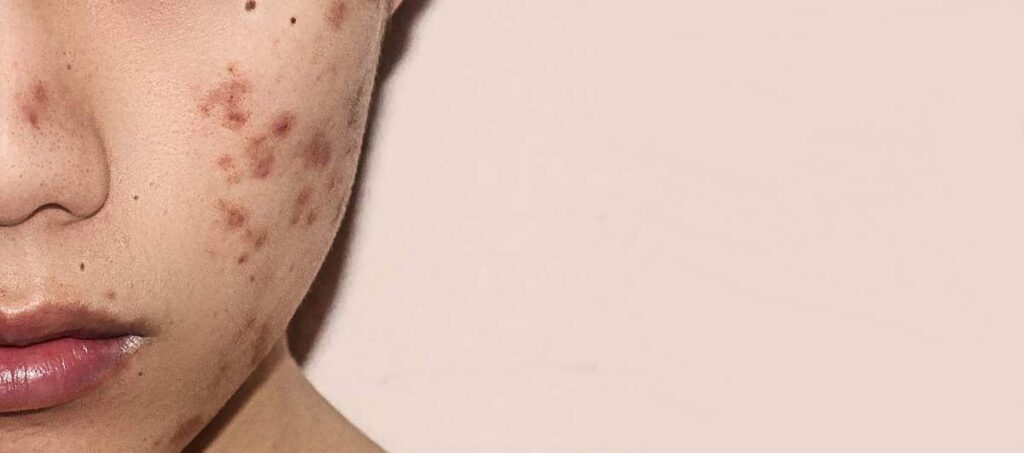
Post-Inflammatory Hyperpigmentation (PIH)
PIH occurs after any inflammatory event on the skin — acne, insect bites, cuts, burns, eczema flare-ups, or even aggressive facials. The skin produces excess melanin in response to injury. Indian skin is particularly prone to PIH due to its Fitzpatrick Type IV–V classification. Treatment involves peels, microneedling, laser toning, and careful melanin-suppression protocols.
Freckles (Ephelides)
These small, flat, light-brown spots are caused by localized accumulation of melanin and are heavily influenced by sun exposure and genetics. They respond very well to Q-switched laser treatments and medium-depth chemical peels.
Acne-Related Dark Marks
When acne heals, it frequently leaves behind dark marks (PIH) that can persist for months or even years. The earlier these are treated after the acne has cleared, the better the outcome. See also: Acne Scar Removal Treatment in Delhi
Vitiligo
Vitiligo involves the destruction of melanocytes, resulting in white patches of skin. It is an autoimmune condition. Treatment options include topical therapies, phototherapy, excimer laser, and surgically — skin grafting and melanocyte transplantation. For patients where vitiligo affects more than 50% of the body, full-body depigmentation of the unaffected skin (using monobenzyl ether of hydroquinone) may be considered to create an even skin tone overall.
Birthmarks (Cafe-au-Lait Spots, Nevi, Becker’s Nevus)
Birthmarks that are pigmented (rather than vascular) can often be partially or completely improved with laser treatment or surgical removal. See: Birthmark Removal in Delhi
Nevus of Ota and Nevus of Ito
These are bluish-grey or greyish-brown pigmented lesions found around the eye or shoulder area, respectively. They require Q-switched Nd:YAG laser delivered at precise parameters — a dermal condition that responds to deeper laser penetration.
Drug-Induced Hyperpigmentation
Certain medications (minocycline, antimalarials, chemotherapy drugs, some antifungals) can cause unusual skin darkening. Treatment involves discontinuing the offending drug (in consultation with your physician) and using peels or laser to accelerate clearing.
Tattoo Pigmentation
Q-switched and pico lasers are used for tattoo removal as well — both cosmetic and traumatic tattoos (from accidents or road rash). See: Tattoo Removal in Delhi
Burn and Scar Pigmentation
Post-burn hyperpigmentation and scar-related discoloration can be addressed through a combination of fractional laser and surgical scar revision techniques. See: Burn Mark Removal and Scar Revision in Delhi
Acanthosis Nigricans
Velvety, dark thickening of the skin at body folds (neck, underarms, groin) often linked to insulin resistance, obesity, or hormonal disorders. While the underlying cause must be managed medically, laser toning and peels can improve the skin’s appearance significantly.
Depigmentation Treatments Available – Full List & Procedure Steps
All Depigmentation Treatments Offered by Dr. Adarsh Tripathi in Delhi
As a Facial Plastic Surgeon, Dr. Adarsh Tripathi can offer both non-surgical and surgical treatments — a breadth of options that most skin clinics staffed only by dermatologists do not provide. Here is a complete breakdown of each treatment:
Q-Switched Nd:YAG Laser (Laser Toning / Hollywood Spectra)
The gold standard in pigmentation treatment. The Q-switched laser fires nanosecond pulses of energy that specifically target melanin granules without damaging surrounding tissue. Different wavelengths treat different depths — 1064nm reaches deeper dermal pigmentation, while 532nm is ideal for superficial brown lesions. The Hollywood Spectra treatment at Sarayu Clinic uses this same platform with a ‘low-fluence’ protocol specifically adapted for Indian skin, which minimizes the risk of rebound darkening after treatment.
- Skin is cleansed and a topical anaesthetic cream may be applied (especially for high-energy settings).
- Protective eyewear is placed. The handpiece is guided over the treatment area.
- Short bursts of laser energy are delivered. You feel a mild snapping sensation.
- A soothing gel or mask is applied post-treatment.
- Sunscreen application before discharge.
- Total session time: 20–45 minutes depending on the area treated.
Best for: Melasma, sunspots, freckles, PIH, nevus of Ota, tattoo removal
- Sessions needed: 4–8 typically, spaced 3–4 weeks apart
Pico Laser (Picosecond Laser Technology)
A newer generation of Q-switched laser that delivers energy in picoseconds (trillionths of a second) rather than nanoseconds. This creates a photomechanical ‘shattering’ effect on melanin particles that is more efficient, requires fewer sessions, and causes less thermal damage to surrounding tissue. Particularly effective for stubborn pigmentation and darker tattoos.
- Best for: Stubborn melasma, tattoo removal, recalcitrant PIH, mixed-type pigmentation
- Sessions needed: 3–6 typically
Fractional CO2 Laser
The Fractional CO2 Laser creates microscopic channels in the skin, triggering intense collagen remodelling and the removal of pigmented skin cells. It is more aggressive than Q-switched laser, so it comes with more downtime — but it is also more effective for thicker, textured pigmentation, certain types of scars, and sunken acne marks that have accompanying pigmentation.
- Best for: PIH with textural change, acne scar pigmentation, severe sun damage, burn scar pigmentation
- Sessions needed: 1–3 (spaced 6–8 weeks apart)
MNRF (Micro-Needling Radio Frequency) Laser
The MNRF Laser Treatment combines the collagen-stimulating effect of microneedling with the heat energy of radiofrequency. This dual action helps with both the pigment itself and the skin texture around it. It works well for patients whose pigmentation is tied to skin laxity or acne scarring and who want a comprehensive skin remodelling result.
- Best for: PIH on lax or textured skin, combination of pigmentation and acne scarring
- Sessions needed: 3–4, spaced 4–6 weeks apart
Morpheus 8 (RF Microneedling with Fractional Delivery)
The Morpheus 8 Treatment uses insulated microneedles to deliver radiofrequency energy at precise skin depths, triggering fat remodelling and collagen production. For pigmentation, it is most useful when dark patches coexist with textural concerns, volume loss, or enlarged pores — a combination scenario where standard laser alone would fall short.
- Best for: Deep dermal pigmentation combined with skin laxity, periorbital hyperpigmentation
- Sessions needed: 2–4
Chemical Peels
One of the oldest and most effective tools in a skin specialist’s arsenal. Chemical peels work by applying an acidic solution to the skin to exfoliate the outer pigmented layers and promote fresh cell turnover. At Sarayu Clinic, Dr. Tripathi uses medical-grade chemical peels in multiple formulations depending on the depth of pigmentation:
Superficial Peels (Glycolic Acid, Salicylic Acid, Lactic Acid): For surface-level tanning, mild PIH, and regular maintenance. Minimal downtime. Suitable for monthly sessions.
Medium-Depth Peels (TCA 20–35%, Jessner’s + TCA combination): For melasma, age spots, and moderate PIH. 4–7 days of skin peeling post-treatment.
Deep Peels (TCA 40%+, Phenol peel): Reserved for severe sun damage, deep pigmented lesions. Performed under sedation or anaesthesia. Significant downtime (7–14 days). Results are dramatic and long-lasting.
Important: Chemical peels must be precisely calibrated for Indian skin types. A peel that is too aggressive on a Fitzpatrick Type V skin can cause post-peel hyperpigmentation that is worse than the original problem. This is where having a Facial Plastic Surgeon with skin anatomy expertise is critical.
Microneedling with Depigmenting Serums
Microneedling creates thousands of micro-channels in the skin, making it dramatically more permeable to active ingredients. When a depigmenting serum (containing tranexamic acid, vitamin C, kojic acid, niacinamide, or azelaic acid) is applied simultaneously, absorption and efficacy improve by up to 40x compared to topical application alone. This is an excellent option for patients who want significant results without laser energy.
- Best for: PIH, mild-moderate melasma, dull uneven skin tone
- Sessions needed: 4–6, spaced 4 weeks apart
IPL (Intense Pulsed Light) Therapy
IPL uses broad-spectrum light to target multiple pigment chromophores simultaneously. It works well for sunspots, freckles, redness, and general skin tone irregularities on lighter skin tones. It is less suitable for darker Indian skin types because of the risk of thermal damage — Dr. Tripathi will assess during consultation whether IPL is appropriate for your specific Fitzpatrick Type.
- Best for: Solar lentigines, freckles, mild sun damage in Fitzpatrick Types I–III
- Sessions needed: 3–5
Cryotherapy
Liquid nitrogen is used to freeze and destroy specific pigmented lesions — most effectively seborrheic keratoses (warty, raised brown spots common in middle age), isolated sunspots, or small moles. It is a quick, in-office procedure with a short healing time but can leave temporary white marks. Best used for isolated lesions rather than broad pigmentation.
- Best for: Seborrheic keratoses, isolated raised pigmented spots
Skin Boosters with Depigmenting Actives
Injectable skin boosters containing tranexamic acid, glutathione, vitamin C, or polynucleotides (PDRN) can be micro-injected into the skin to suppress melanin production from within. They are often used as adjuncts to laser or peel treatments for enhanced results and maintenance between sessions.
- Best for: Maintenance, melasma, skin brightening
Topical Depigmenting Agents (Medical Grade)
Prescription-strength topical formulations form the backbone of any pigmentation treatment plan. These are not the over-the-counter fairness creams you find at a pharmacy — these are clinical formulations often combining multiple active ingredients:
- Hydroquinone (2–4%): The FDA-recognized gold standard for hyperpigmentation; inhibits melanin production
- Tretinoin / Retinoids: Accelerates cell turnover, helps fade dark marks faster
- Kojic Acid: Natural melanin inhibitor derived from fungi; gentler alternative to hydroquinone
- Azelaic Acid: Anti-inflammatory, melanin-suppressing, ideal for melasma and PIH
- Tranexamic Acid: Increasingly used as a first-line agent for melasma, both topically and orally
- Niacinamide: Blocks the transfer of melanin to skin cells; anti-inflammatory
- Cysteamine Cream: A newer, potent depigmenting agent with an excellent safety profile
- Vitamin C (L-Ascorbic Acid): Antioxidant that inhibits melanin oxidation; brightening effect
These agents are prescribed as part of a structured protocol — applied at home as part of your morning and evening routine — and their composition is adjusted by Dr. Tripathi based on your skin’s response at each follow-up.
Surgical Depigmentation Treatments (Exclusive to Facial Plastic Surgeons)
This is the key differentiator of consulting a Facial Plastic Surgeon over a general dermatologist: access to surgical options that can resolve cases that do not respond to lasers or peels.
Dermabrasion
Mechanical resurfacing of the skin using a rapidly rotating abrasive instrument to remove the pigmented outer layers. Effective for raised, textured pigmented lesions, acne scars with surrounding hyperpigmentation, and keratoses. Requires local anaesthesia and 7–10 days recovery.
Surgical Excision of Pigmented Lesions
For specific pigmented lesions — such as compound or intradermal nevi (moles), Becker’s nevus, or café-au-lait macules — surgical excision is sometimes the most definitive solution. Dr. Tripathi excises the lesion with precision, closing the wound with minimal scarring technique. Histopathology is sent for analysis.
See: Mole Removal Treatment in Delhi
Skin Grafting for Vitiligo
For stable vitiligo that has not responded to medical and phototherapy, split-thickness skin grafting or punch grafting transfers melanocyte-containing skin from a pigmented donor site to the depigmented area. This is one of the most effective treatments for localized, stable vitiligo and is something only a trained surgeon can perform.
Melanocyte Transplantation (Non-Cultured Epidermal Suspension)
A more advanced surgical technique where melanocytes are harvested from pigmented skin and suspended in saline before being applied to a prepared (dermabrazed) depigmented area. This technique has shown repigmentation rates of 60–80% in properly selected vitiligo patients.
Scar Revision for Pigmented Scars
When pigmentation coexists with a structural scar (raised, depressed, or tethered), surgical scar revision combined with laser treatment gives the best overall result. See: Scar Revision in Delhi
Fat Grafting for Atrophic Hyperpigmented Areas
In cases where pigmented skin overlies a depressed area (common in post-burn scars), fat grafting restores volume while the overlying laser/peel addresses pigmentation in a staged approach. See: Fat Grafting Treatment in Delhi
Step-by-Step Treatment Protocol at Sarayu Clinic
What Actually Happens When You Come to Sarayu Clinic for Depigmentation Treatment?
Here is exactly what to expect from your first inquiry to your final follow-up:
Step 1 — Initial Consultation: Dr. Tripathi examines your skin using dermoscopy and Wood’s lamp analysis to determine the depth and type of pigmentation. He takes a history of triggers (hormonal, sun exposure, medications, family history) and discusses realistic expectations and treatment timelines.
Step 2 — Customized Treatment Plan: Based on the evaluation, a combination protocol is recommended. Most patients need more than one modality — for example, 4 sessions of laser toning + a medium-depth peel + a home regimen of prescription topicals.
Step 3 — Skin Preparation (Pre-conditioning Phase): 2–4 weeks before the first energy-based treatment, a topical regimen is started to reduce the baseline melanin level, reducing the risk of post-treatment rebound darkening.
Step 4 — Treatment Sessions: Each session is performed in the clinic under controlled conditions. Topical anaesthetic cream is applied 30–45 minutes before laser or peel sessions if needed. The actual procedure takes 20–60 minutes.
Step 5 — Immediate Post-Treatment Care: Cooling masks, hydrating serums, and medical-grade sunscreen are applied before you leave the clinic. You receive written aftercare instructions.
Step 6 — Home Maintenance Protocol: A prescribed home routine (cleanser, toner, depigmenting serum, moisturizer, SPF 50+ sunscreen) is given. Sun avoidance is critical — especially in Delhi summers.
Step 7 — Follow-Up Assessments: Review appointments at 4-week intervals allow Dr. Tripathi to assess response and adjust the protocol. Progress photos are taken and compared to track improvement objectively.
Step 8 — Maintenance Phase: Once target improvement is achieved, a maintenance schedule (typically quarterly sessions) is recommended to prevent recurrence, especially for melasma.
Downtime & Recovery — What to Expect
Downtime After Depigmentation Treatment — An Honest Guide
Downtime varies significantly by treatment. The table below gives you a realistic picture:
Treatment | Downtime | Side Effects | When Can You Go Back to Work? |
Q-Switched Laser Toning | Minimal (0–2 days) | Mild redness, temporary darkening of spots | Same day or next day |
Pico Laser | 1–3 days | Redness, mild swelling, spot scabbing | Next day with sunscreen |
Superficial Chemical Peel | 2–5 days | Skin peeling, dryness | 2–3 days (with make-up) |
Medium Chemical Peel | 5–7 days | Significant peeling, redness | 5–7 days |
Deep Chemical Peel | 10–14 days | Intense peeling, oozing, crust formation | 10–14 days |
Fractional CO2 Laser | 5–10 days | Redness, peeling, grid marks | 7 days |
MNRF Laser | 3–5 days | Redness, mild swelling | 3–5 days |
Morpheus 8 | 3–7 days | Swelling, redness, temporary bruising | 3–5 days |
Microneedling + Serum | 1–3 days | Redness, mild sensitivity | Next day |
Cryotherapy | 5–10 days | Blistering at site, scab formation | 2–3 days |
Dermabrasion (Surgical) | 7–14 days | Oozing, crusting, significant redness | 10–14 days |
Surgical Excision | 5–7 days (sutures out at 7 days) | Suture line, mild swelling | 2–3 days |
Skin Grafting (Vitiligo) | 2–4 weeks | Donor and recipient site healing | 2–3 weeks |
Cost of Depigmentation Treatment in Delhi
How Much Does Depigmentation Treatment Cost in Delhi?
Cost depends on the treatment chosen, the number of sessions required, the size of the area being treated, and the severity of the pigmentation condition. The following ranges are realistic guides for Sarayu Clinic, Delhi:
Treatment | Cost Per Session (INR) | Typical Course Cost (INR) |
Q-Switched Laser Toning (Face) | ₹3,000 – ₹6,000 | ₹18,000 – ₹40,000 (6–8 sessions) |
Pico Laser | ₹6,000 – ₹12,000 | ₹25,000 – ₹60,000 |
Superficial Chemical Peel | ₹2,500 – ₹5,000 | ₹15,000 – ₹30,000 (6 sessions) |
Medium Depth Peel (TCA) | ₹6,000 – ₹12,000 | ₹12,000 – ₹25,000 (1–2 sessions) |
Fractional CO2 Laser | ₹10,000 – ₹20,000 | ₹20,000 – ₹50,000 (2–3 sessions) |
MNRF Laser | ₹8,000 – ₹16,000 | ₹25,000 – ₹55,000 |
Morpheus 8 | ₹15,000 – ₹30,000 | ₹40,000 – ₹80,000 |
Microneedling + Serum | ₹4,000 – ₹8,000 | ₹20,000 – ₹40,000 |
Skin Boosters (Glutathione/TXA) | ₹5,000 – ₹10,000 | ₹20,000 – ₹50,000 |
Cryotherapy (per lesion) | ₹1,000 – ₹3,000 | Varies by number of lesions |
Surgical Excision (Mole/Lesion) | ₹5,000 – ₹15,000 | One-time (per lesion) |
Dermabrasion | ₹15,000 – ₹40,000 | One-time to twice |
Skin Grafting for Vitiligo | ₹30,000 – ₹1,00,000+ | Varies by area size |
Full Combination Package (Laser + Peel + Topicals) | Custom quoted | ₹40,000 – ₹1,20,000 for full course |
Results Timeline — What to Expect and When
When Will You See Results from Depigmentation Treatment?
This is the question almost every patient asks. The honest answer: most people see some improvement early, but real, sustained results take time. Here is a realistic timeline:
Timepoint | What You Can Realistically Expect |
After Session 1 | Some spots may temporarily darken slightly before fading. This is normal (called laser-induced temporary darkening) and indicates treatment is working. Some patients notice mild brightness immediately. |
Weeks 2–4 | The darkened spots from Session 1 begin to shed. Early improvement in overall skin tone visible. Peeling (if chemical peel) completes by day 7. |
After Session 3 (Month 2–3) | Clear, visible reduction in the size and intensity of dark patches. Skin texture improvement begins. Melasma may show 30–50% clearance. |
After Sessions 4–6 (Month 4–6) | Significant clearance in most pigmentation types. PIH and sunspots may be fully resolved. Melasma typically shows 60–80% improvement. |
Month 6–12 (Maintenance Phase) | Continued improvement as the skin rebuilds collagen and melanin regulation normalizes. Maintenance sessions every 6–8 weeks recommended for melasma. |
12 Months+ | Optimal results. Maintenance is key to sustainability — especially for melasma, which can recur with hormonal triggers or sun exposure without ongoing care. |
Treatment Comparison — Which Depigmentation Treatment Is Right for You?
Laser vs Peel vs Surgery — Which Depigmentation Treatment Is Best for Your Condition?
The right answer depends on your specific condition, skin type, tolerance for downtime, and budget. Here is a head-to-head comparison to help you understand the landscape:
Factor | Q-Switched Laser | Pico Laser | Chemical Peel | Fractional CO2 | Surgical Options |
Melasma | Excellent (low-fluence) | Excellent | Good (medium peel) | Risk of rebound | Not applicable |
Sunspots / Age Spots | Excellent | Excellent | Good | Excellent | Cryotherapy good |
PIH (Post-Acne) | Good | Good | Very Good | Very Good | Not first-line |
Vitiligo | Not effective | Not effective | Not effective | Not effective | Grafting — Excellent |
Birthmarks / Nevi | Variable | Good | Not effective | Variable | Excision — Excellent |
Freckles | Excellent | Excellent | Good | Good | Not applicable |
Downtime | Minimal | Low | Low to High | Moderate-High | Moderate to High |
Indian Skin Safety | High (with right protocol) | High | Medium (requires expertise) | Medium | High (surgeon-performed) |
Number of Sessions | 6–8 | 3–6 | 4–8 | 1–3 | 1–2 |
Best combined with | Topical agents | Topicals + Peels | Laser | Topicals | Laser + Topicals |
Why Choose Dr. Adarsh Tripathi for Depigmentation Treatment in Delhi?
Why Patients Choose Dr. Adarsh Tripathi Over Other Clinics in Delhi ?
There are dozens of dermatology clinics and skin treatment centres in Delhi. Here is what makes Sarayu Clinic, under Dr. Adarsh Tripathi’s leadership, genuinely different — not just different in marketing:
- Facial Plastic Surgery Credentials: Dr. Tripathi is trained as a Facial Plastic Surgeon — meaning he understands facial skin, its anatomy, and its behaviour at a surgical level. This allows him to combine non-invasive treatments with surgical options that most skin clinics cannot offer.
- Deep Expertise in Indian Skin: Pigmentation treatment on Indian skin (Fitzpatrick Types IV–VI) is markedly different from treating lighter skin. Incorrect laser settings or peel depths can cause permanent darkening. Dr. Tripathi has developed protocols specifically calibrated for Delhi’s patient population.
- No ‘one-size-fits-all’ approach: Every treatment plan is built from scratch after a proper evaluation — not pulled from a menu. Two patients with ‘melasma’ may need entirely different treatments.
- Full spectrum of treatments: From the gentlest peel to the most complex skin grafting surgery, Sarayu Clinic can offer the complete range — ensuring you are never referred out simply because the clinic lacks capability.
- Transparent, honest consultations: Dr. Tripathi provides realistic timelines and outcome expectations during the first appointment. If your condition is unlikely to respond significantly to treatment, you will hear that too.
- FDA-approved technology: All laser platforms and clinical products used at Sarayu Clinic are FDA-cleared or CE-marked.
Meet Dr. Adarsh Tripathi to learn more about his qualifications, training, and approach.
Frequently Asked Questions (FAQs)
Frequently Asked Questions About Depigmentation Treatment in Delhi
Q1. What is the difference between depigmentation treatment and skin whitening?
These are two different things. Depigmentation treatment targets abnormal dark patches, uneven pigmentation, or white patches caused by conditions like melasma, PIH, vitiligo, or sun damage. The goal is to restore your skin to its natural, even tone — not to make you lighter than you naturally are. Skin whitening treatments, on the other hand, aim to lighten overall skin tone, which is a separate (and more contentious) category. At Sarayu Clinic, the focus is entirely on correcting pathological pigmentation disorders.
Q2. Is depigmentation treatment safe for Indian skin?
Yes — when performed by a trained specialist using calibrated, skin-type-appropriate protocols, it is safe. Indian skin (Fitzpatrick Types IV–VI) is more melanin-rich and more reactive to heat-based treatments. This means the parameters for laser treatments — fluence, pulse duration, wavelength — must be adjusted downward compared to what works on lighter skin. Aggressive treatment can cause post-inflammatory hyperpigmentation that is worse than the original concern. This is why the choice of practitioner matters enormously.
Q3. How many sessions will I need?
It depends entirely on the condition being treated and its severity. Most non-surgical depigmentation protocols require 4–8 sessions spaced 3–4 weeks apart. Melasma tends to need ongoing maintenance even after the initial course. Isolated sunspots or freckles may clear in 2–3 sessions. Surgical options are typically one-time procedures with follow-up healing care.
Q4. Does melasma come back after treatment?
Yes, melasma can recur — especially with sun exposure, hormonal changes (pregnancy, contraceptive changes, stress), or if the underlying trigger is not addressed. This is why melasma is managed rather than ‘cured.’ With a proper maintenance protocol (including daily SPF 50+ sunscreen, periodic topical depigmenting agents, and maintenance laser sessions every 6–8 weeks), recurrence can be significantly minimized. Dr. Tripathi will design a long-term management plan, not just a short-term fix.
Q5. How long before I see visible results?
Some improvements are visible within 2–4 weeks of the first session. Significant, sustained results typically appear after 3–4 sessions (months 2–3 into treatment). The full expected result is assessed at 6 months. Results continue to improve for up to a year as the skin remodels.
Q6. Is the treatment painful?
Most treatments cause mild discomfort at most. Q-switched laser toning feels like a quick rubber-band snap against the skin. Chemical peels cause a tingling or stinging sensation that fades within a few minutes. For more intensive treatments (Fractional CO2, deep peels, dermabrasion), topical or local anaesthesia is used to ensure comfort throughout.
Q7. Can I wear make-up after treatment?
After laser toning and superficial peels, make-up can typically be applied the next day. After medium or deep peels, fractional CO2 laser, or surgical procedures, make-up is avoided for 5–14 days to allow proper skin healing. You will receive specific aftercare instructions tailored to your treatment.
Q8. What should I avoid before a depigmentation session?
In the 2–4 weeks before a laser or peel session, avoid: sun tanning or unprotected sun exposure; waxing or threading over the treatment area; retinol or acid-based topicals (these must be paused 5–7 days before); blood-thinning medications (aspirin, ibuprofen) unless medically necessary; and any new skincare products you haven’t used before. Dr. Tripathi’s team provides a pre-treatment checklist at the time of your consultation.
Q9. Can depigmentation treatments be done during summer in Delhi?
Yes, but with extra precautions. Summer in Delhi means very high UV exposure, which is the biggest risk factor for post-treatment hyperpigmentation. If you are undergoing treatment during summer, strict sun avoidance (especially between 10 AM and 4 PM), SPF 50+ broad-spectrum sunscreen every 2–3 hours, and sun-protective clothing are mandatory. Some aggressive treatments (deep peels, Fractional CO2) may be scheduled during cooler months when UV exposure is lower.
Q10. Can I treat pigmentation during pregnancy?
Most energy-based treatments (lasers, IPL) are avoided during pregnancy as a precaution. Some topical agents like hydroquinone and retinoids are also contraindicated. Safe options during pregnancy include azelaic acid (Category B), niacinamide, and physical sunscreen. If you develop melasma during pregnancy (mask of pregnancy), this is a very common occurrence — it often partially resolves post-delivery, and a comprehensive treatment plan can be initiated once you are no longer breastfeeding.
Q11. Is vitiligo completely curable?
Vitiligo cannot be ‘cured’ in the traditional sense — it is an autoimmune condition and does not have a definitive cure. However, significant repigmentation (return of normal colour) is achievable in many patients, particularly those with localized, stable vitiligo. Medical treatments, phototherapy, excimer laser, and surgical options like skin grafting and melanocyte transplantation can produce repigmentation rates of 60–80% or higher in well-selected patients.
Q12. Why should I see a Facial Plastic Surgeon instead of a dermatologist for pigmentation?
Both are qualified to treat pigmentation, but a Facial Plastic Surgeon offers one significant additional advantage: access to surgical options. When melasma or pigmentation is linked to structural skin issues — scarring, deep tissue involvement, or conditions like vitiligo requiring skin grafting — a Facial Plastic Surgeon can perform these procedures directly. Dr. Adarsh Tripathi covers both the non-invasive/energy-based and surgical ends of the treatment spectrum, meaning you never need to be referred elsewhere for complex cases.
How to Reach Us:
Phone:+91 9289111083 ,+91 9289111084
Email: sarayuinquiries@gmail.com
Dr Adarsh’s website: https://dradarshtripathi.com/
Facebook: https://www.facebook.com/DrAdarshTripathi3011
Instagram: https://www.instagram.com/dr_adarsh_tripathi/
Youtube: https://www.youtube.com/@dr_adarsh_tripathi
Linkedin: https://www.linkedin.com/in/dr-adarsh-tripathi-a43005b8/
Online Booking: https://dradarshtripathi.com/contact-us/ to schedule appointments conveniently.